
Ian Ford, Miranda Villanueva, Min Sub Lee, Quan D. Zhou, Constance Yuen, Robert Damoiseaux, Steven J. Bensinger and Keriann M. Backus
Prize
RSC Chemical Biology Outstanding Early Career Research AwardYear
2025
Citation
Paper: Defining STING–sterol interactions with chemoproteomics
STING (Stimulator of Interferon Genes) is a key mediator of innate immune responses, and, consequently, STING activity is tightly regulated—loss of STING compromises type I interferon, while gain-of-function mutations cause severe autoinflammatory disease. Therefore, understanding the cellular mechanisms that modulate STING activity has high significance.
In this study, we combined genetic and chemoproteomic approaches to investigate how sterols regulate STING. While previous work, including our own, had indicated that cellular cholesterol metabolism influences STING activity, at the start of our project, whether cholesterol effected this activity by directly binding to STING was unknown. First, using gain- and loss-of-function genetic systems, we show that modulation of STING activity by cholesterol occurs in a manner generally independent of SCAP and SREBP2, which indicated the possibility that STING engaged directly with sterols.
Therefore, to assess STING-sterol interactions, we established and applied a photoaffinity-based chemoproteomic strategy, using a panel of three sterol-based diazirine probes. We found that STING is robustly enriched by three independent diazirine-functionalized sterol-mimetic probes, and probe labeling in live cells was off-competed by excess cholesterol, further supporting the conclusion that STING directly binds cholesterol.
Our study also shows that the mitochondrial protein VDAC1 co-purifies with STING and demonstrates that STING's subcellular localization shifts in response to changes in cellular sterol content. Taken together, our work complements other recent studies that demonstrate the mechanisms of sterol modulation of STING activity through cholesterol recognition motifs that retain STING at the ER membrane.
About the winners
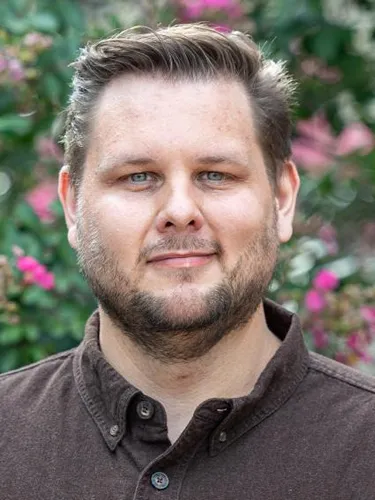
Ian Ford completed his graduate studies at UCLA and defended his thesis in 2025, and is currently a postdoctoral researcher in the Center for Human Nutrition at UT Southwestern Medical Center. His current research focuses on using stable isotope tracers to interrogate changes in central carbon metabolism in hepatic and adipose tissues in murine models of cancer cachexia and in the context of insulin signaling.
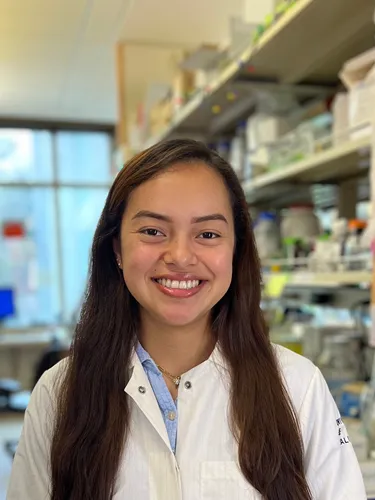
Miranda Villanueva is a graduate student in the Molecular Biology program at UCLA. Within the Backus lab, Miranda’s projects revolve around applying existing and developing alternative proteomic approaches to characterize protein state changes in metabolism.
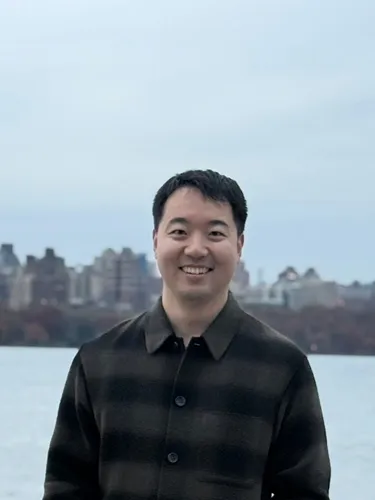
Min-Sub Lee conducted his graduate studies in the Bensinger lab and is currently a biotechnology Equity Research Associate at Guggenheim Partners.
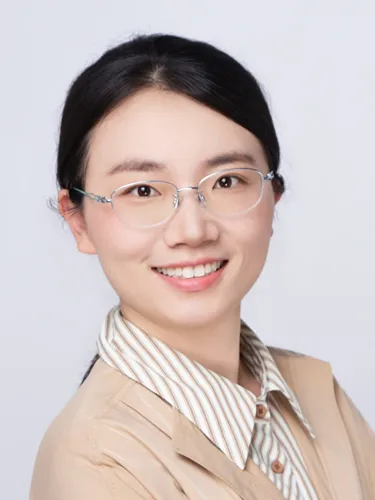
Quan Dylan Zhou conducted her graduate studies in the Bensinger lab and is currently an Assistant Professor at Zhejiang University School of Medicine.
Connie Yuen is a PhD student at UCLA researching prostate cancer biology and targeted cancer therapeutics with a background in cell and developmental biology and high-throughput screening.
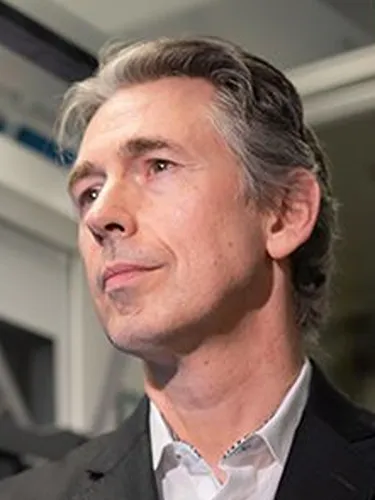
Robert Damoiseaux, Ph.D. is a Professor of Molecular and Medical Pharmacology at UCLA's David Geffen School of Medicine and a Professor of Bioengineering at the UCLA Samueli School of Engineering. A world-class expert in high-throughput screening (HTS), he directs the Molecular Screening Shared Resource (MSSR) at the California NanoSystems Institute — a state-of-the-art facility that partners with UCLA, Caltech, and the biotech and pharmaceutical industries to accelerate small molecule and functional genomics discovery.
Dr. Damoiseaux began his industry career at Novartis, where in the early 2000s he worked on peptide nucleic acid (PNA) encoded libraries — a pioneering approach to chemical screening that helped lay the groundwork for modern DNA-encoded library technologies. He subsequently brought that deep industry expertise to academia, building one of the most advanced HTS platforms in the UC system.
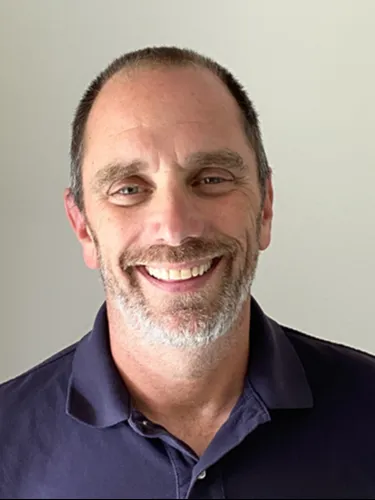
Steven J. Bensinger is Professor and Chair of Immunology and Immune Therapeutics at the Keck School of Medicine of the University of Southern California (USC). He earned his Veterinary Medical Degree (VMD) and his PhD in Immunology from the University of Pennsylvania, completing the latter through the Biomedical Graduate Studies program at the Perelman School of Medicine. He then pursued a postdoctoral fellowship with Dr. Peter Tontonoz at the University of California, Los Angeles (UCLA), investigating how sterol metabolism shapes lymphocyte function and adaptive immunity. Dr. Bensinger established his laboratory at the David Geffen School of Medicine at UCLA in 2008. His group uses advanced analytical methods to study how lipid metabolism influences inflammation, immunity, and cancer biology. His honors include the Sontag Foundation Distinguished Scientist Award and the UCLA Life Sciences Excellence Award for Outstanding Research.
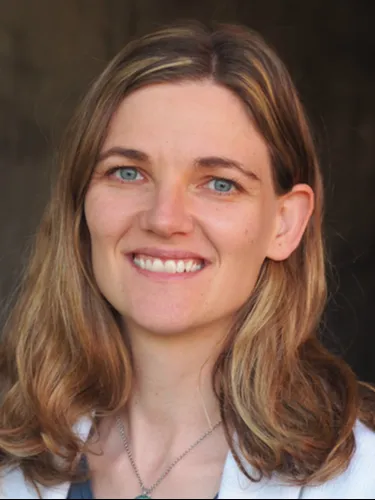
Keriann Backus is an Associate Professor with appointments in the Departments of Biological Chemistry and Chemistry and Biochemistry. Dr. Backus received a BS in Chemistry and BA in Latin American Studies from Brown University. Her doctoral research was conducted in the laboratories of Benjamin Davis (Oxford) and Clifton Barry (NIH, NIAID) as a 2007 Rhodes Scholar and an NIH Oxford Cambridge Scholar. Dr. Backus completed an NIH postdoctoral fellowship at The Scripps Research Institute in the laboratory of Benjamin Cravatt.
Dr. Backus is best known for developing pioneering chemoproteomic methods that dramatically expanded the scope of potentially druggable targets. Her methods contributed to the discovery of multiple lead compounds currently in clinical trials for autoimmune and cancer indications. At UCLA, Dr. Backus’s research group develops and applies cutting edge proteomic technologies to broadly shed light on the functional and therapeutically relevant proteome. Dr. Backus's research has been recognized by numerous awards, including a Beckman Young Investigator, DARPA Young Faculty Award, a V Scholar Research Award, Packard Fellowship, NIH New Innovator Award, and Ono Breakthrough Science Initiative Award.
Related pages
RSC Chemical Biology
Exceptionally significant findings in chemical biology.
Journal
RSC Chemical Biology Outstanding Early Career Research Award
Recognising the dedication, innovation, and impactful research endeavours of promising early career researchers.
Prize
Publish with us
Get your work the international recognition that it deserves.